Does Home Insurance Cover Wood Stoves and Chimney Fires?
Usually yes, if your insurance company knows the stove is there. Here's what they ask about, what isn't covered, and how to avoid a denied claim.

Jay Parrack
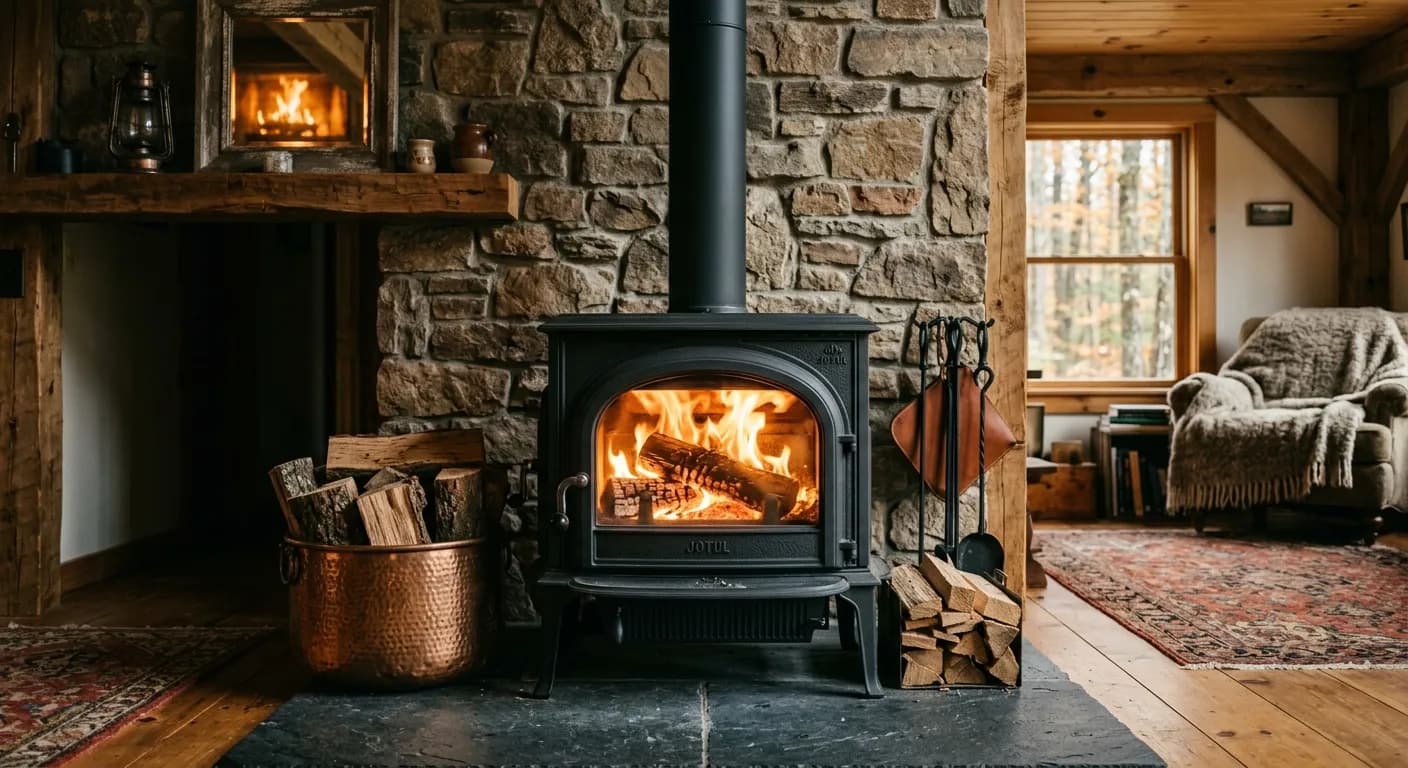
Short answer: a chimney fire is generally covered under a standard homeowners policy, and so is the rest of the house if a wood stove starts a fire. The catch is that your insurance company needs to know the stove is there, and the damage can't come from a chimney nobody maintained.
Heating equipment is one of the leading causes of house fires every winter, so this is a good month to get the insurance and the chimney both ready.
Tell Your Insurance Company About the Wood Stove
Most home applications ask whether you have a wood stove, pellet stove, fireplace insert, or outdoor wood boiler. If you added one after you bought the policy, the company may not know.
That matters. Some companies want it professionally installed, some want an inspection, a few won't write homes with certain kinds of solid-fuel heat, and some charge a little more. What you don't want is for the company to find out about the stove for the first time from the fire investigator's report.
Telling them rarely costs much, and sometimes nothing. Not telling them can cause a real problem in a claim.
Is a Chimney Fire Covered?
Generally, yes. Fire is a covered cause of loss on a standard homeowners policy, including damage from a chimney fire.
What isn't covered is upkeep. A chimney that's crumbling, a cracked liner, or years of buildup that nobody cleaned out is maintenance, and if the damage is the result of neglect, expect questions. The standard advice from fire-safety groups is to have the chimney inspected every year and cleaned when it needs it. Keep the receipt. It's useful if you ever have a claim.
Space Heaters
Space heaters are behind a large share of home heating fire deaths. Most of that comes down to a few things:
- Keep anything that can burn at least three feet away: curtains, bedding, paper, the couch.
- Plug them straight into the wall, never an extension cord or power strip.
- Turn them off when you leave the room or go to sleep.
- Use one that shuts itself off if it tips over.
Outdoor Wood Boilers
These are common out in the county, and they're a separate question. Some companies want to know the distance from the house and whether it heats any other buildings. If you've got one and have never mentioned it, mention it.
Check the Smoke and CO Detectors
Fuel-burning heat means carbon monoxide risk. Put a fresh battery in the smoke detectors and make sure there's a CO detector near the bedrooms.
Not sure what your policy says? contact us or call the Point Pleasant office at 304-675-4132, even if you're not insured with us. We'll look it over for free, and as an independent agency we can compare 51 companies if your current one doesn't like wood heat.
This is general information, not specific advice for your situation. Every policy is different.