Are Guns Covered by Homeowners Insurance? A Hunter's Guide
Yes, but theft is usually capped at a few thousand dollars for all of them. How to schedule guns, insure a hunting camp, and lease land to hunters safely.

Jay Parrack
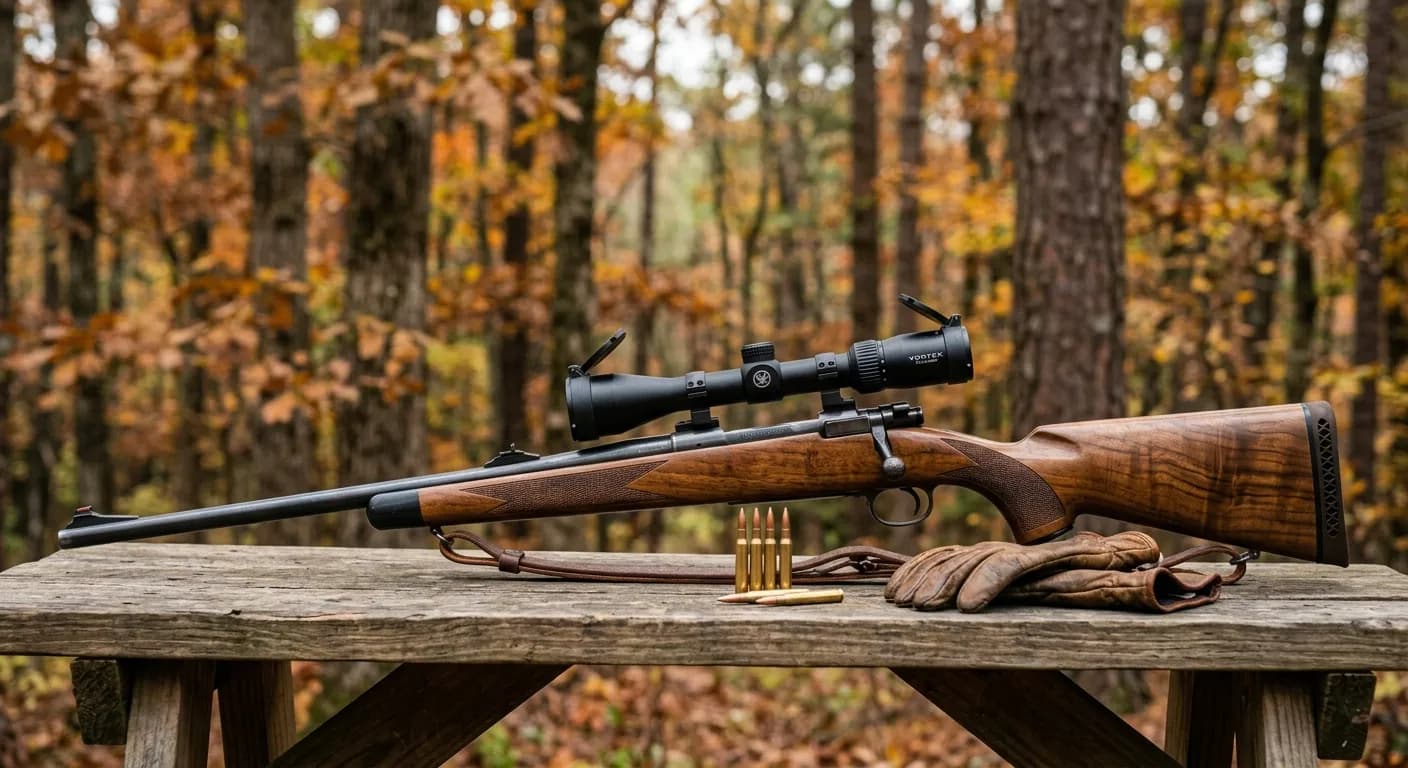
Short answer: yes, your guns are covered by your homeowners or renters policy, but theft of firearms is usually capped at a low limit for the whole collection. If your safe is worth more than that, they need to be scheduled.
Archery season for deer opened here in late September. I wrote about deer and your car earlier this year. This one covers the other questions hunters ask me: guns, camps, and letting people hunt your land.
Are My Guns Covered?
Usually yes, under your homeowners or renters policy, as personal property. The catch is that most policies have a lower limit for theft of firearms. It's often around $2,500 for all of them combined, not each.
If you've got a safe full of rifles and shotguns, that limit can be a fraction of what they're worth. The fix is to schedule them, meaning list each one on the policy with its value. Scheduled guns are usually covered for more kinds of loss, often with no deductible, and it's not expensive. Keep receipts, appraisals, or at least photos and serial numbers.
Guns stolen out of your truck at the trailhead are generally still covered by your home policy, not your auto policy, subject to that same limit.
What About the Camp?
A hunting cabin or camp is not covered by the homeowners policy on your house. It needs its own policy, and it's often a different kind than your house gets, because nobody lives there and it sits empty most of the year. Companies look hard at how it's heated, how far it is from a fire department, and how often someone checks on it.
What I see go wrong: someone inherits the family camp, or buys it with a few buddies, and nobody insures it at all. Then a tree comes down on it, or somebody gets hurt there, and there's no policy and no clear answer about who owns what.
If it's owned by several people, the policy should name all of them. An LLC is worth talking to your attorney about.
Letting Other People Hunt Your Land
If you let neighbors hunt your property for free, West Virginia's recreational use law gives landowners a good deal of protection if one of them gets hurt. It's not a blank check, but it helps.
Charging changes that. Once you lease hunting rights for money, much of that protection can go away, and your homeowners or farm policy may not cover the hunting lease at all, because it's now a business activity. If you lease ground to a hunting club, ask about a hunting lease liability policy, and ask the club to carry its own coverage and name you on it. Get it in writing.
Tree Stands
Falls from tree stands are one of the most common ways hunters get seriously hurt. Your own injuries go through your health insurance. If someone falls out of a stand you put up on your land, that's a liability question, and the answer depends on whether they were a paying guest, a friend, or a trespasser. Use a harness, and inspect stands that have been up since last year.
Before rifle season, contact us or call the Point Pleasant office at 304-675-4132, whether you're a client or not. We'll check your limit for free and tell you what it would cost to cover the whole collection.
This is general information, not specific advice for your situation or legal advice. Every policy is different.

Questions about understanding coverage?
I'm happy to help. Give our Point Pleasant office a call.
Contact Jay